
Expanding into a new market requires more than finding customers. Businesses also need reliable ways for customers, partners, and teams to communicate.
A company operating internationally may want customers in different regions to reach local or regional business numbers. Global Direct Inward Dialing, commonly known as DID, can help businesses establish phone numbers in different markets while managing communication through a centralized infrastructure.
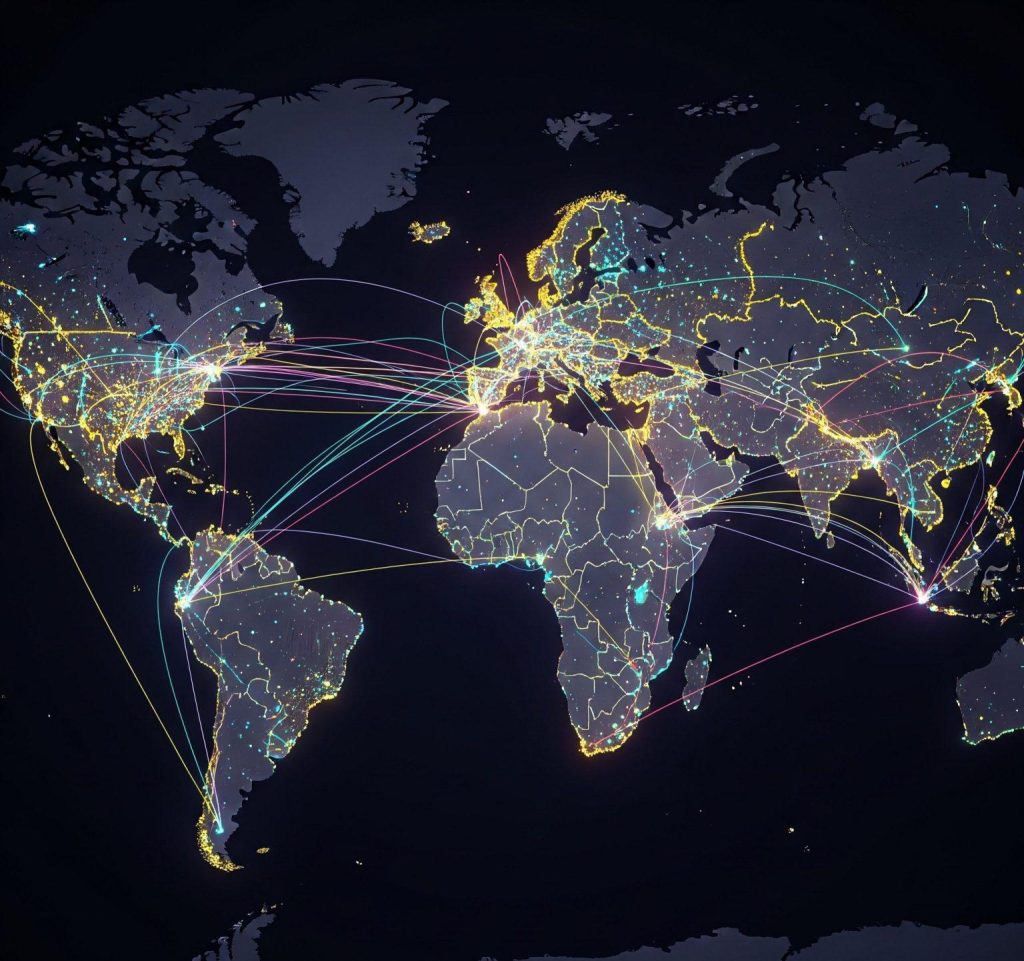
What Are Global DID Numbers?
A DID number is a telephone number that allows incoming calls to reach a specific business, department, employee, or communication system without requiring the caller to navigate a traditional operator-based system.
Global DID services extend this concept across different geographic markets.
Instead of relying on one number for every market, a business can establish numbers associated with different regions and route those calls to the appropriate destination.
For example, a company operating in multiple markets could have:
• A US number for US customers
• A UK number for UK customers
• A European number for European customers
• Additional numbers for other supported markets
The exact availability depends on the telecom provider and regulatory requirements in each location.
Why Local Numbers Can Matter
Customers are often more comfortable contacting businesses through numbers that are familiar to their region.
A local number can provide a direct communication channel for customers in a particular market.
For international businesses, this can help organize communication by geography.
For example, calls to a specific regional number could be routed to:
• A local sales team
• A regional support department
• A specific office
• A centralized contact center
• A cloud-based PBX
This allows businesses to structure their communication around their operating regions.
Centralized Call Management
Having multiple geographic numbers does not mean a company needs completely separate phone systems.
Businesses can connect numbers to centralized communication infrastructure.
An incoming call can be routed according to predefined rules.
For example:
A customer calls a regional DID number.
The system identifies the configured destination.
The call is routed to the appropriate team.
If the team is unavailable, another routing rule can take over.
The business can therefore maintain regional points of contact while keeping communication management centralized.
DID Numbers and Remote Teams
Remote and distributed teams have become common across many industries.
A business may have customers in one country, sales employees in another, and technical staff somewhere else.
Global DID numbers can help connect these teams through a structured communication system.
Employees can handle calls according to business routing rules without requiring every employee to maintain a separate traditional phone line.
Supporting International Business Operations
Companies entering new markets often need communication infrastructure that can adapt to different regions.
Global DID numbers can be part of that infrastructure.
They can support businesses that operate across:
• Multiple countries
• Multiple offices
• Remote teams
• Regional sales operations
• Customer support departments
• International service platforms
For organizations handling large communication volumes, geographic numbers can also work alongside other telecom services such as Hosted PBX and voice termination.
DID Numbers and Hosted PBX
Global DID numbers can work effectively with a Hosted PBX environment.
For example, a business could assign different numbers to different departments or markets.
An incoming call to a specific DID number could enter the company’s cloud phone system and follow predefined routing rules.
The same infrastructure could then manage:
• Extensions
• Call queues
• IVR menus
• Call forwarding
• Voicemail
• Department routing
This creates a centralized communication structure while allowing customers to contact the business through different numbers.
DID Numbers for Sales Teams
Sales teams often need to communicate with customers across different regions.
A geographically appropriate business number can give sales teams a dedicated channel for specific markets.
For example, a company expanding into a new region could configure a regional DID number and route incoming calls to its sales team.
The business can then manage the number through its broader telecom infrastructure.
DID Numbers for Customer Support
Customer support teams also benefit from organized call routing.
A business can configure regional numbers to direct customers to specific support teams or communication queues.
This can help separate customer traffic by region and make internal call management easier.
The Importance of Reliable Routing
Having a number is only one part of business communication.
The underlying routing infrastructure also matters.
Businesses should consider:
• Call quality
• Network reliability
• Routing options
• Number availability
• Geographic coverage
• API access
• Integration capabilities
• Technical support
• Scalability
The right setup depends on the company’s locations, call volumes, communication workflows, and technical requirements.
Global DID Numbers at Voxqor
Voxqor provides Global DID Numbers designed to help businesses establish a local calling presence across multiple markets.
According to Voxqor, its DID service supports instant number provisioning, flexible routing, and API access. The company also provides Hosted PBX, Toll-Free Origination, Predictive Dialer, and Wholesale Voice Termination services.
This allows businesses to combine geographic numbers with broader cloud and telecom infrastructure based on their communication needs.
Building a Scalable International Communication Strategy
Businesses expanding internationally should plan their communication infrastructure alongside their market expansion.
The process can include:
- Identify the markets you serve.
- Determine which regions require dedicated numbers.
- Define where incoming calls should be routed.
- Configure your business phone system.
- Establish call-handling rules.
- Test call quality and routing.
- Monitor performance.
- Adjust the system as your operations grow.
This approach helps create a communication system that can evolve with the business.
Conclusion
Global DID numbers can provide businesses with regional communication points while allowing them to manage calls through centralized telecom infrastructure.
For companies serving customers across multiple markets, DID numbers can work alongside Hosted PBX, call routing, toll-free services, and other communication technologies to create a structured business communication environment.
The right solution depends on your geographic coverage, call volume, routing requirements, and business operations.